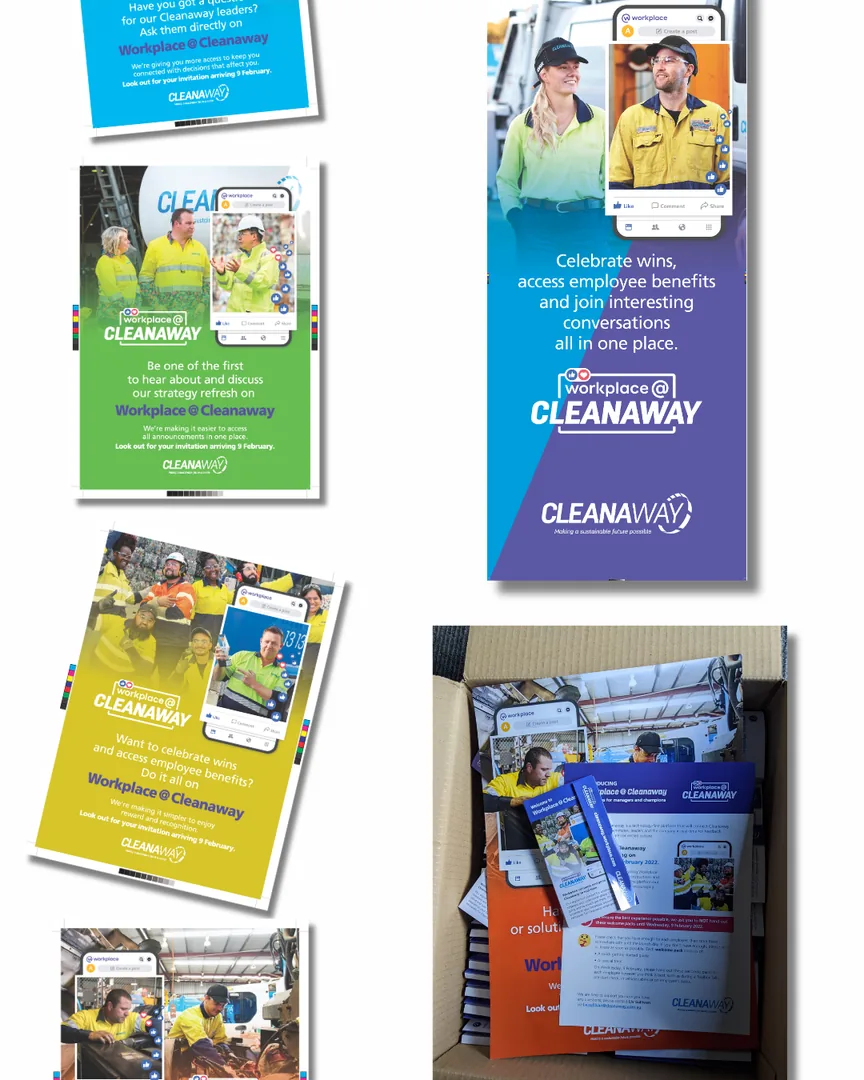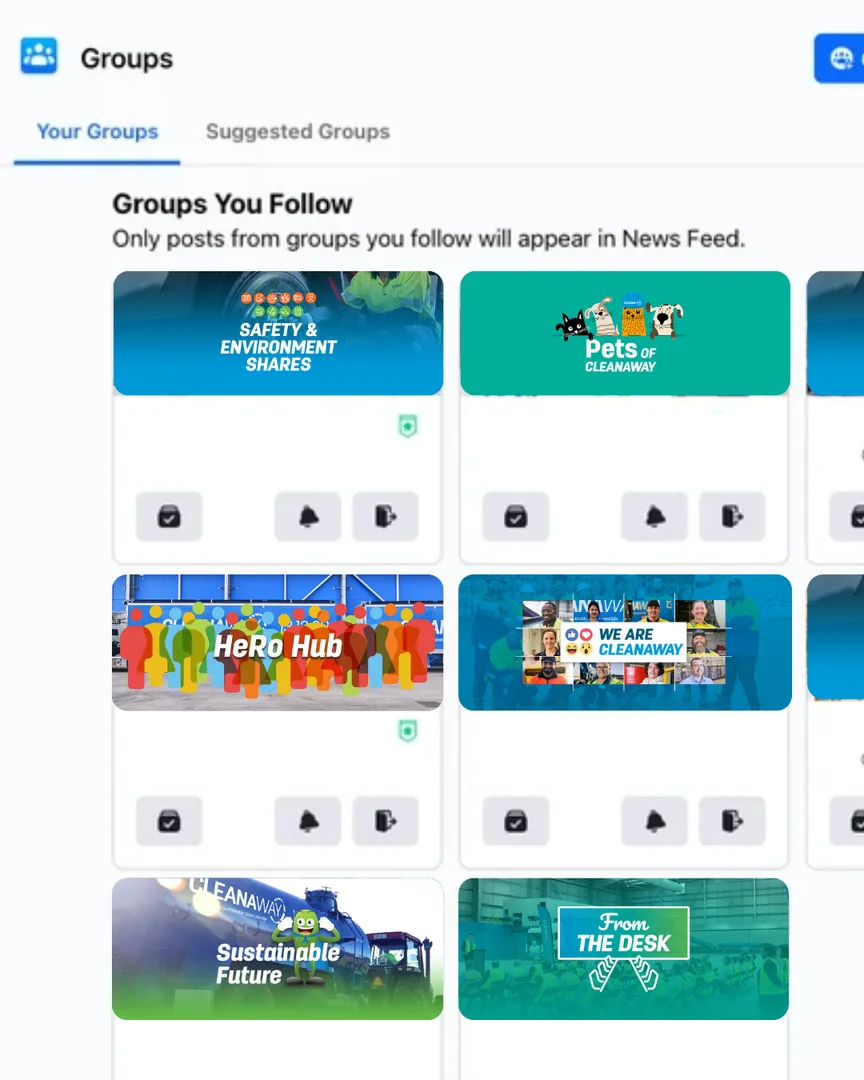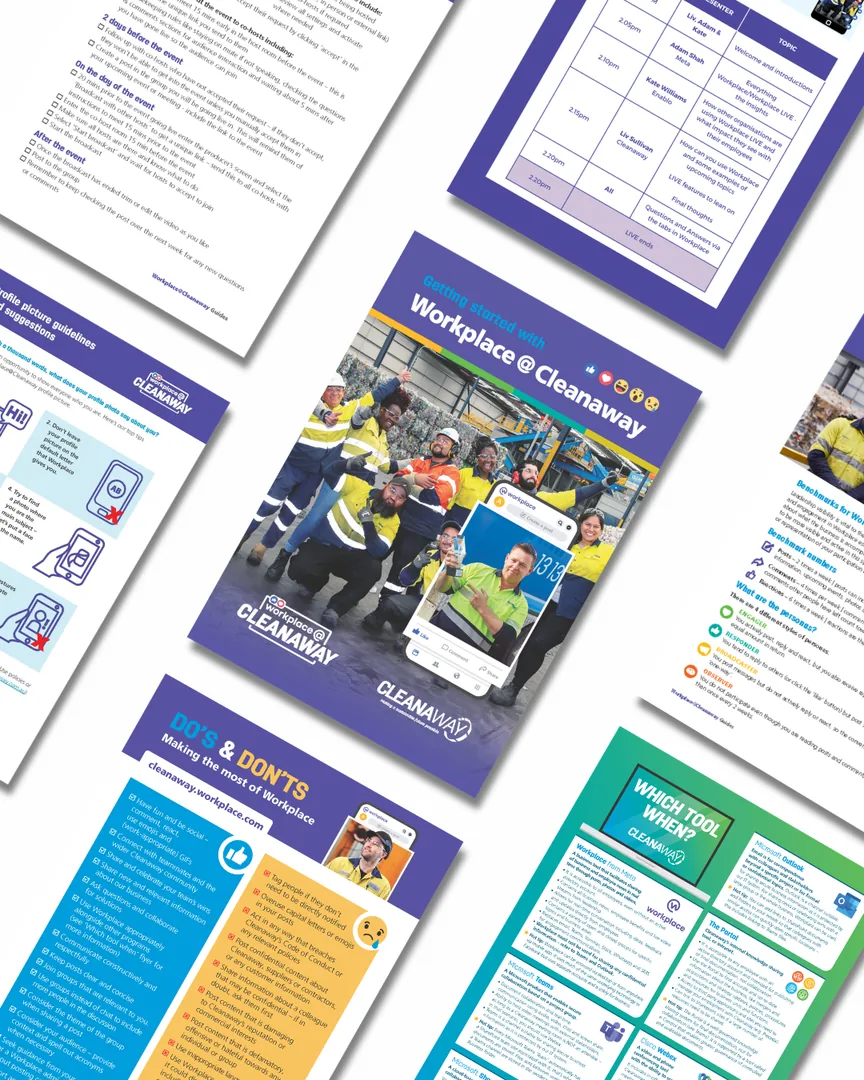
We were asking 8,000 truck drivers to join a social network.
Most of them over 50, most of them on routes, almost none of them given a company platform before, and across a lot of the business English was a second language. Every part of that could have gone wrong.
A standard rollout would have died in the first month. The usual approach is to announce something, push it out from head office and hope people adopt it. That works for office workers who already live on their laptops. It does nothing for someone who’s been doing a physical job for twenty-five years, doesn’t use social media and has never been given a space to contribute to the business.
So we built it around them rather than around the technology.
That started with actually understanding the audience before deciding anything. What their day looks like, when they’d have a free hand, what they’d care about, what would make them roll their eyes. Then being honest about objectives and expectations, including our own. We weren’t going to get everyone, and pretending otherwise would have set the whole thing up to look like a failure.
What made it work was simple. We spoke to them like people. We didn’t ask more of them than was reasonable, because their job is already hard enough without homework from head office. And instead of telling them why it mattered, we showed them what was in it for them, through recognition and reward.
Two campaigns did most of the heavy lifting, and both worked for the same reason: they asked drivers to show us their world rather than read about ours.
Where’s your office today? turned the thing they were already looking at into content. Sunrise over a depot, a flooded road, a dog at a gate, teammates or a pit stop driving the outback. No writing required, just a photo from a window.
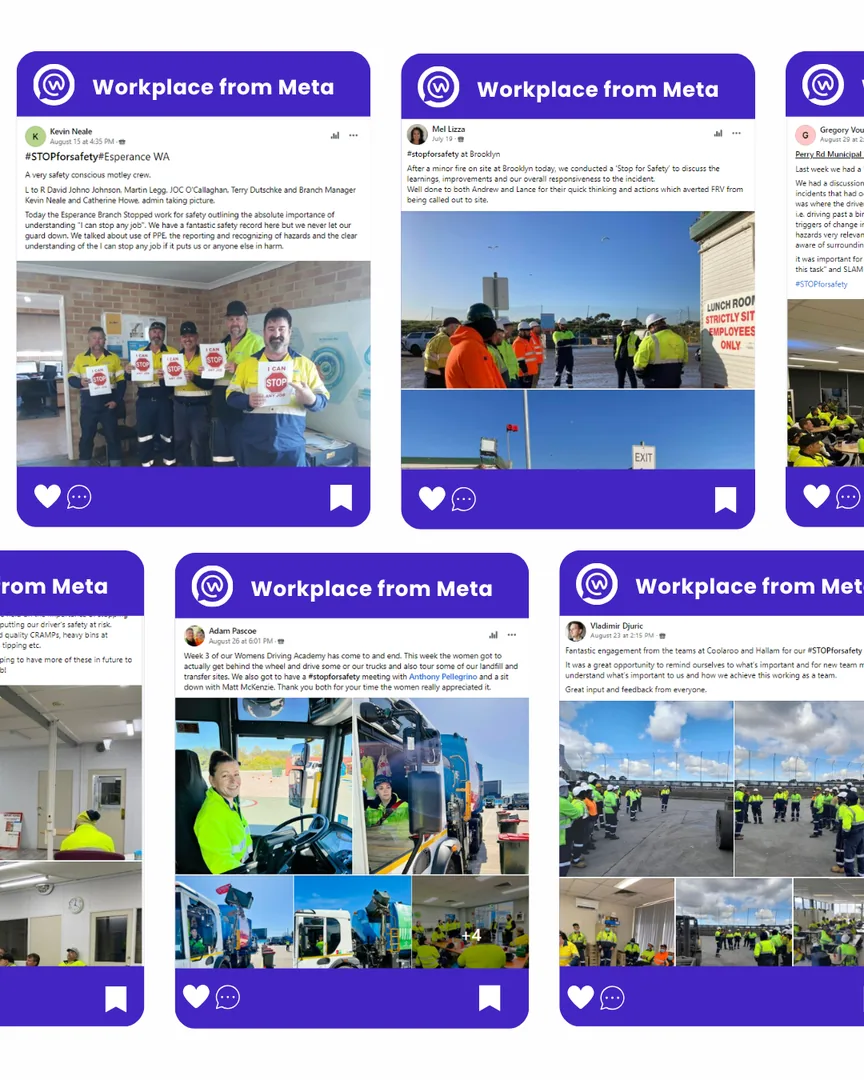
Stop for Safety did the harder job. Safety messaging from head office is the easiest thing in the world to ignore. This came straight from the people doing the work: they spotted a hazard, fixed it, and posted the before and after. Nobody needed convincing that it mattered, because the person who found it was standing right there in the photo.
What came out of it was 8,000 people who’d spent years dedicating their careers to a business finally feeling connected to it.
What changed
81% of frontline workers were active every month across the first quarter, which for a group who’d never had a company platform is remarkable on its own.
But the number that actually tells the story is quieter. When I looked at the list of the most active contributors across the whole company, the CEO was at the top, as you’d expect. At number five was a general labourer. A side-lift driver sat in the top twenty, ahead of most of the executive team.
That’s what we were trying to build: a business where someone driving a truck has the same voice as the person running it.